Subtotal $0.00





Email : 13
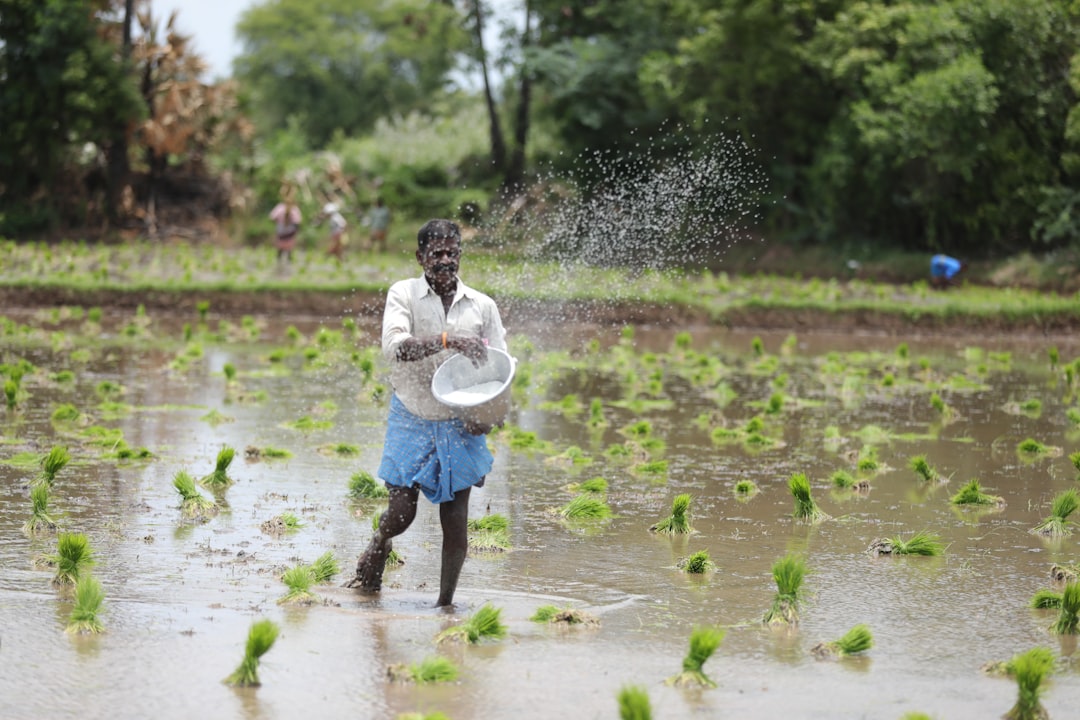
Farmers in India face challenges such as poor irrigation and limited access to credit, which have affected their livelihoods for years. With over 50% of the workforce employed in agriculture, Indian farmers challenges are evident in their daily struggles. Agriculture contributes nearly 20% to India’s GDP. Many farmers contend with limited access to quality seeds and fertilizers. Climate change complicates the situation further, with erratic weather patterns leading to inconsistent crop yields and shrinking incomes. The government has set a minimum support price for wheat at 1,975 rupees per quintal, but farmers are demanding an increase to more accurately reflect the actual cost of production.
Understanding the Challenges Faced by Indian Farmers
The government has established a minimum support price for wheat at 1,975 rupees per quintal. Farmers argue that this price does not cover their production costs, prompting ongoing protests. These demonstrations highlight the need for a comprehensive review of agricultural policies, particularly those that affect pricing and access to resources. The Indian government has rolled out initiatives like the Pradhan Mantri Fasal Bima Yojana, providing crop insurance to farmers to mitigate some risks.
To address irrigation issues, the Indian government plans to invest in infrastructure, which could enhance crop yields. Many farmers currently struggle with high-interest loans from private moneylenders. By providing targeted subsidies and financial support, the government can help alleviate the financial burden on farmers. Additionally, the e-National Agricultural Market has been introduced to improve farmer access to markets and enhance their income potential.
Agricultural Policies and Ongoing Farmer Protests
Recent policy changes have sparked widespread protests, as many farmers view these measures as harmful to their interests. Demonstrations have centered around calls for policy repeal and a more inclusive dialogue between farmers and the government. While the government has made some concessions, tensions persist, with many farmers feeling unheard. Accusations have arisen that the government prioritizes corporate interests over the needs of farmers, further fueling discontent.
The Indian Council of Agricultural Research plays a role in promoting better farming practices and policies that address farmers’ concerns. In an effort to strengthen their position, the government plans to establish farmer producer organizations, which aim to enhance farmers’ bargaining power and provide them with better market opportunities.
Addressing the Future of Indian Agriculture
To effectively tackle the challenges faced by Indian farmers, including limited access to credit, the government can invest in agricultural research to boost crop yields. For instance, discussions about increasing the minimum support price for wheat from 1,975 rupees per quintal are ongoing, as farmers continue to urge for a price that better reflects their production costs. By focusing on these specific issues, the government can provide essential support to farmers and enhance the agricultural sector.
Indian farmers demonstrate remarkable strength and commitment through their efforts to overcome these hurdles. The government’s initiatives, such as creating farmer producer organizations, are designed to enhance their bargaining power. By ensuring that farmers can sell their produce at fair prices, including the minimum support price of 1,975 rupees per quintal for wheat, these measures may help improve their livelihoods.


